


Animal Repellent Granules That Protect Your Yard

A fresh line of holes across the lawn. Rabbit-cut stems in the vegetable bed. Deer browsing the shrubs you waited years to fill in. Animal damage rarely stays small once an animal decides your property is a dependable food source or travel route. Animal repellent granules give homeowners a practical, humane way to reclaim those spaces without turning a garden, lawn, or landscape into a battleground.
The right granular repellent does more than create a temporary nuisance for wildlife. It helps make the areas you want to protect less appealing, encouraging animals to move along and feed elsewhere. Success comes down to three things: correctly identifying the animal, choosing a formula designed for that animal, and applying it where the damage is actually happening.
Why Granules Work So Well Around the Property
Granules are built for targeted, ground-level protection. They are especially useful around flower beds, vegetable gardens, shrubs, ornamental plantings, mulch, lawn edges, burrow entrances, and other places animals regularly visit. Rather than treating an entire property indiscriminately, you can create a protective zone around the plants and areas that matter most.
This format is often a strong choice when the problem starts at ground level. Rabbits browse tender shoots. Voles travel under cover near mulch and dense landscaping. Moles and gophers disturb turf and soil. Armadillos dig for food. Granules can be placed where these animals forage, travel, dig, or approach the landscape.
They also fit naturally into regular yard care. A careful application around vulnerable areas can be faster and more precise than trying to solve damage after it spreads. For many property owners, that means fewer ruined plants, less time repairing turf, and more control over the outdoor spaces they enjoy.
Match Animal Repellent Granules to the Problem
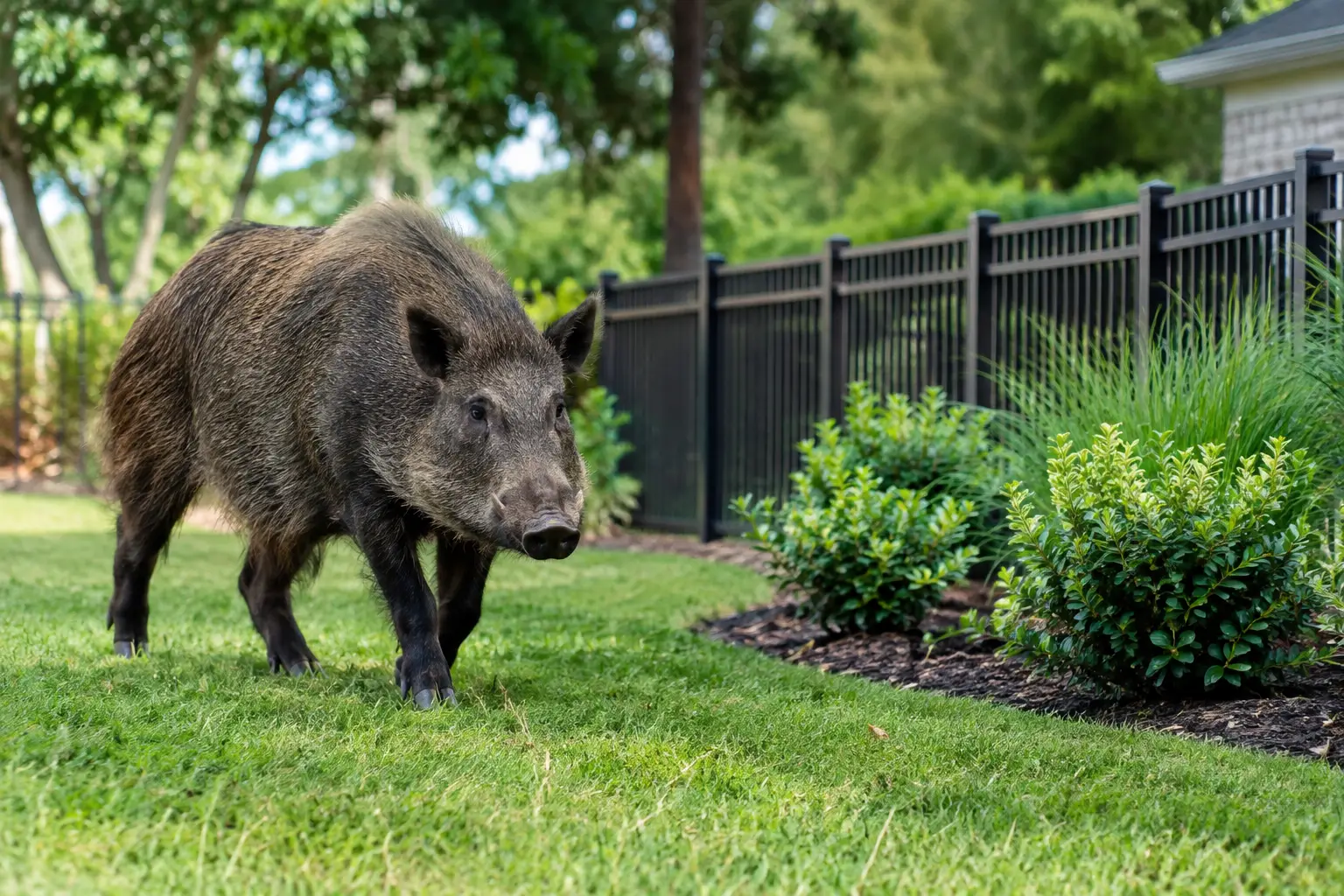
A general “critter” solution may sound convenient, but wildlife behavior is not one-size-fits-all. Deer, rabbits, moles, skunks, and wild hogs do not feed, travel, or respond to deterrents in the same way. A formula made for the specific animal creating the problem gives you a better starting point.
Begin with the evidence. Deer commonly leave ragged browsing damage on shrubs, hostas, and other favored plants. Rabbits often cut stems cleanly and low to the ground. Moles create raised tunnels and mounds as they hunt insects, while voles may leave surface runways and damage roots, bulbs, or bark. Armadillos and skunks can leave small, cone-shaped holes from nighttime foraging.
If you are not certain what is causing the damage, resist the urge to treat blindly. Look at when the damage appears, the height of the damage, tracks, droppings, holes, and the pattern across the property. Correct identification prevents wasted product and helps you protect the right areas from the start.
EPIC Repellents offers purpose-built SCRAM formulas for specific nuisance animals, helping homeowners choose protection based on what is actually threatening their yard, garden, or landscape.
Where to Apply Granules for Better Results
Application is not just about spreading product near a damaged plant. Think about the animal’s route. The goal is to protect the plant while also discouraging the animal as it approaches, travels through, or settles into the area.
For deer and rabbits, apply around the perimeter of planting beds and around the plants receiving the most attention. Pay special attention to entry points along woods, fences, open lawn edges, and paths between cover and food. If deer are browsing a row of shrubs, treat the full row and the nearby approach areas instead of only treating the one shrub with the worst damage.
For burrowing or digging animals, focus on active tunnels, mounds, burrow openings, lawn edges, and the zones where fresh soil disturbance keeps appearing. Treating old, abandoned damage will not do much. Fresh activity tells you where the animal is working now.
Around vegetable gardens, apply according to label directions along the exterior of the growing area and near vulnerable plants. Avoid assuming that “more is better.” A consistent, label-directed barrier is more effective and responsible than overapplication.
Timing Matters More Than Most People Expect
The best time to use a repellent is before damage becomes severe. Once an animal has been rewarded with repeated meals in your garden or has established a comfortable route through your yard, it may take more consistent effort to change that pattern.
Start early in the season, especially when new growth is tender and attractive. Reapply as directed after heavy rain, irrigation, mowing, new digging activity, or other conditions that may reduce coverage. Weather, animal pressure, and the size of the protected area all affect how often treatment is needed.
Persistence is particularly important when food sources are limited. A hungry deer in late winter, a rabbit finding fresh spring growth, or a wild hog moving through a dry area may be more determined than usual. Granules can still be an important part of protection, but you may need to reinforce the treatment schedule and reduce easy food sources nearby.
Support Granules With Smart Yard Habits
Animal repellent granules work best as part of a clear property-protection plan. You do not need to make your yard unfriendly to nature. You simply want to remove the signals that tell nuisance animals your landscape is an easy place to eat, hide, dig, or nest.
Keep fallen fruit picked up, secure garbage, and clean up spilled birdseed when it begins attracting unwanted visitors. Trim dense hiding cover close to the home where practical, and repair gaps under fences or sheds that offer animals a convenient entrance. Covering especially valuable young plants during peak browsing periods can provide another layer of protection.
For recurring wildlife pressure, vary the response when appropriate. Granules may protect the soil, perimeter, and planting bed, while a spray can help target foliage or hard-to-reach areas. Physical barriers can be worthwhile for a small vegetable plot or newly installed landscaping. The right combination depends on the animal, the season, and how much damage is at stake.
Common Mistakes That Reduce Results
The most common mistake is waiting until damage is widespread. Repellents are designed to deter, and early use makes that job easier. A single application after a garden has already become a nightly feeding stop may not be enough to change the animal’s behavior.
Another mistake is treating too small an area. If the protected zone has obvious gaps, animals can simply approach from another direction. Extend coverage around the vulnerable planting area and focus on travel routes, not only the damaged spot.
Finally, do not overlook the label. Each product has specific directions for placement, application rate, reapplication, and use around plants and outdoor areas. Follow those instructions carefully to get the intended performance and to support responsible use around people, pets, wildlife, and the environment.
A Humane Way to Protect What You Have Grown
Your garden and landscape represent real time, money, and care. Protecting them does not require harming the animals that share the area. The goal is to set a clear boundary: this lawn, shrub bed, garden, or outdoor living space is no longer an easy place to feed or dig.
Choose an animal-specific granular formula, apply it where activity is current, and stay consistent through the season. That simple routine can help keep your property looking like the place you planned - not a feeding ground for every passing animal.


Comments