


Animal Repellent Spray for Yards and Gardens

A freshly planted flower bed can become a midnight buffet in a single evening. Deer may strip tender buds, rabbits can cut down vegetable starts, and free-roaming pets may turn mulch or lawn edges into their preferred spot. The right animal repellent spray helps you respond quickly, protect the spaces you have worked hard to create, and deter unwanted visitors without harming them when used as directed.
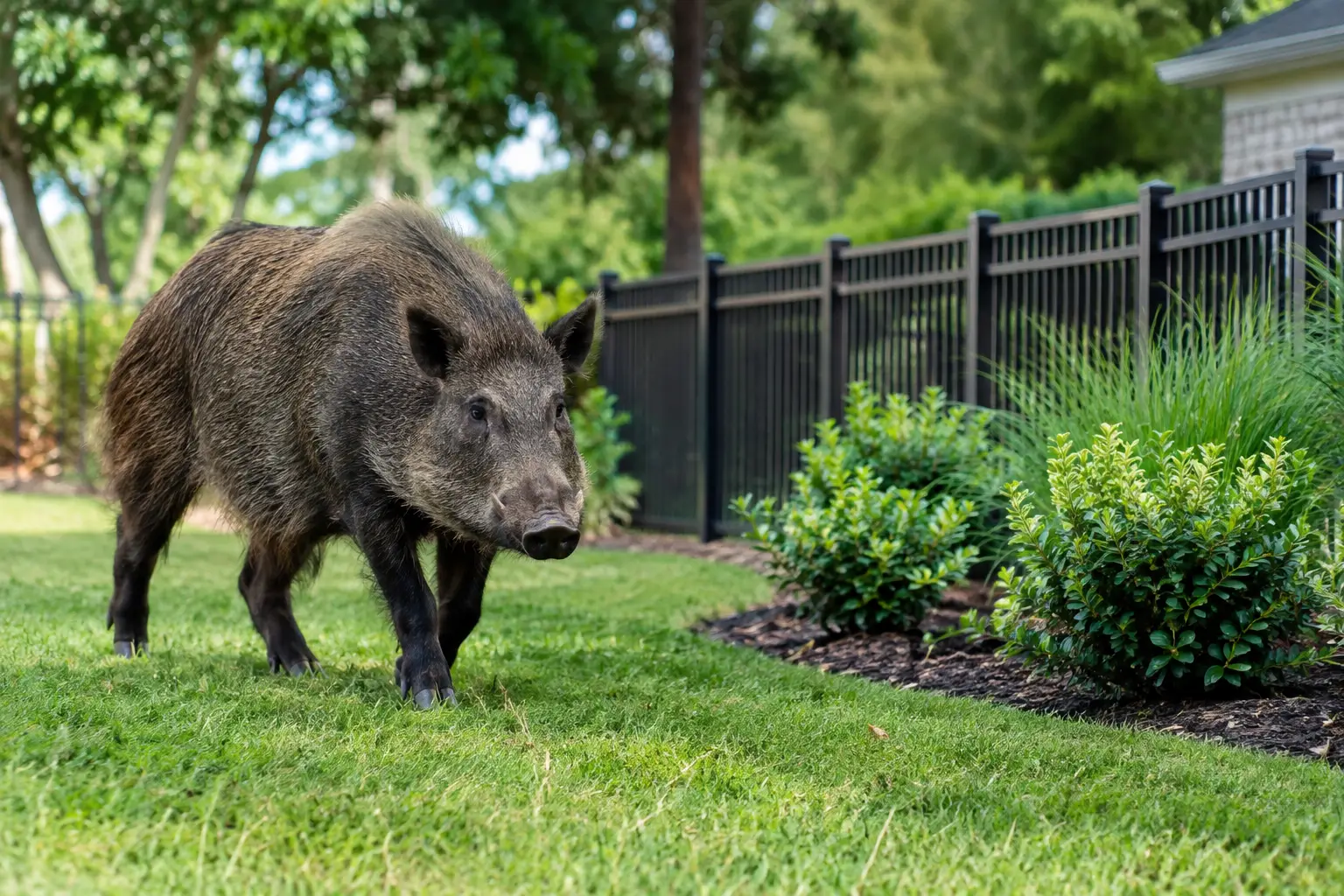
The key is not simply spraying anything that promises to keep animals away. Effective property protection starts with identifying the animal, recognizing the type of damage, and using a formula designed for that specific problem. A spray built for browsing deer is not automatically the best answer for burrowing gophers, persistent cats, or lawn-damaging armadillos.
When Animal Repellent Spray Makes Sense
Spray repellents are especially useful when damage is concentrated in a defined area. They allow homeowners to treat plant foliage, garden borders, ornamental beds, trash-area perimeters, RV surroundings, and other places where animals are actively feeding, nesting, digging, or lingering.
They are also a practical choice when you need fast coverage after noticing fresh activity. If a rabbit has begun nibbling new bean plants or deer have started browsing a prized row of hostas, a targeted spray application can help establish a clear scent and taste barrier around the vulnerable area.
That said, spray is not always the whole answer. Large lawns, broad property boundaries, and active burrowing zones may benefit from a longer-lasting granular repellent or a combined protection plan. The best format depends on where the animal is causing trouble, how often it returns, weather conditions, and the size of the area you need to protect.
Match the Spray to the Animal and Damage
Wildlife damage leaves clues. Those clues can save you from treating the wrong problem and watching your landscape suffer another week of damage.
Deer usually leave raggedly torn leaves, clipped stems, and browsing damage that reaches higher than a rabbit could manage. Rabbits tend to make cleaner, angled cuts close to the ground and often focus on young vegetables, tender flowers, and low-growing plants. Groundhogs, gophers, moles, and voles create a different kind of frustration: tunnels, raised ridges, holes, and disturbed roots.
Domestic animals need a different strategy as well. Cats may use loose soil, mulch, or garden beds as a litter box. Dogs may repeatedly mark shrubs, dig around fence lines, or damage lawns. Geese can turn a pond edge or open lawn into a messy gathering place. A purpose-built formula helps create a deterrent experience that fits the animal's natural behavior.
Before applying anything, look for these signs around the property:
Fresh tracks, droppings, feathers, fur, or scat near the damaged area
Bite marks, clipped stems, stripped leaves, or missing blooms
Holes, soil mounds, shallow digging, tunnels, or raised lawn ridges
Damage that appears at a consistent time, such as overnight or early morning
If the culprit is unclear, treat the evidence as your starting point. A few minutes of observation can make your repellent strategy far more effective.
How to Apply Animal Repellent Spray Effectively
Repellent works best when it is applied before damage becomes severe. Animals are creatures of habit, and once they learn that your yard provides an easy meal, sheltered nesting area, or dependable digging spot, it can take consistent treatment to change that pattern.
Start by reading the product label completely. Apply only to approved surfaces and areas, follow directions for mixing or ready-to-use application, and observe all instructions for edible plants, harvest timing, and reapplication. A natural formula still needs to be used correctly to perform as intended.
For plant damage, cover the susceptible parts of the plant rather than treating only the soil nearby. Deer and rabbits encounter foliage first, so protection should be placed where browsing begins. For perimeter concerns, create a treated boundary around the garden, beds, lawn edge, or outdoor living area the animal is entering.
Timing matters. Apply during dry conditions when rain is not immediately expected, so the product has time to adhere and establish coverage. Reapply according to the label, particularly after heavy rain, irrigation, rapid new plant growth, mowing, or periods of strong animal pressure. Fresh leaves and blooms may need treatment because they were not present during the previous application.
Consistency is where many homeowners see the difference. One application may discourage a passing visitor, but an established deer trail, a determined rabbit, or a neighborhood cat may require regular reinforcement. Stay ahead of the damage rather than waiting for every new bite mark or hole.
Protect the Areas Animals Learn to Visit
Animals rarely choose a location at random. They return to places that provide food, cover, water, soft soil, or an easy route in and out. Make the treated area less appealing while reducing the reasons it attracted animals in the first place.
Harvest ripe fruits and vegetables promptly. Clean up fallen birdseed and spilled pet food. Keep trash secured, and avoid leaving outdoor food sources accessible overnight. Trim dense cover near highly vulnerable beds when practical, since hiding places can make an area more inviting to some nuisance animals.
Physical barriers can strengthen spray protection in high-pressure areas. A low fence may help protect a vegetable garden from rabbits, while netting can shield a particularly valuable planting during peak browsing season. Repellent and barriers work well together because they address both animal behavior and access.
Common Mistakes That Reduce Results
The most common mistake is choosing a general solution for a very specific problem. Wildlife and domestic animals respond differently to scent, taste, territory, and food availability. A product selected for the actual animal is more likely to protect your property efficiently.
Another mistake is underapplying. Treating only a small portion of an affected bed can leave an easy path around the deterrent. Cover the full target area as directed, including the entry points animals use most often.
Homeowners also sometimes stop too soon. If weather has washed away coverage or new growth has appeared, the protection needs to be renewed. Repellents are a maintenance tool, not a one-time repair. That is a reasonable trade-off for homeowners who want a humane, nature-conscious way to deter animals rather than relying on harmful measures.
Finally, do not ignore competing food sources. During drought, cold weather, breeding season, or periods when natural forage is scarce, animals can become more determined. In those conditions, increase your vigilance, follow label directions for reapplication, and consider adding physical exclusion around the most valuable plants.
A Practical Plan for Lasting Yard Protection
Begin with the animal causing the damage. Then choose an animal-specific repellent format that suits the location, whether that means treating foliage, creating a perimeter, or protecting a larger area with complementary coverage. EPIC Repellents offers SCRAM formulas designed around individual nuisance-animal challenges, helping homeowners avoid guesswork when their garden, lawn, shrubs, or landscape is on the line.
Check treated areas regularly for new signs of activity. A small adjustment early, such as expanding coverage to a new entry point or reapplying after rain, is much easier than replacing a row of vegetables or restoring a damaged ornamental planting later.
Your yard can remain a place for wildlife to pass through without becoming a place where it feeds, digs, nests, or damages what you value. With the right animal repellent spray and a consistent application routine, you can protect your outdoor space while respecting the animals beyond your garden border.


Comments