


Pet Safe Animal Repellent for a Protected Yard

A torn-up lawn, stripped hostas, or a vegetable bed raided overnight can make any homeowner want a fast fix. The right pet safe animal repellent helps you protect the spaces you work hard to maintain without turning your yard into a hazard for the pets and wildlife that share it. The key is choosing a humane deterrent designed for the specific animal causing the damage, then applying it correctly and consistently.
What “Pet Safe” Should Mean in Animal Repellent
Pet safe does not mean a product is meant to be eaten, sprinkled into a pet’s food, or applied without reading the label. It means the repellent is formulated to deter nuisance animals responsibly and can be used around residential outdoor spaces when used as directed.
That distinction matters. Dogs investigate with their noses. Cats may walk through planting beds, and wildlife moves through the same yards where children and pets play. A responsible repellent strategy starts with products that avoid harming the animal you are trying to deter while giving you clear application instructions, precautions, and placement guidance.
All-natural ingredients can be a strong fit for homeowners who want a more nature-conscious approach, but “natural” is not a substitute for proper use. Keep repellents in their original containers, follow label directions, and apply them only where they are intended to be used. If a pet has a known sensitivity or you have questions about a particular application area, speak with your veterinarian before treatment.
Match the Pet Safe Animal Repellent to the Problem
One formula rarely solves every animal issue. Deer browse differently than rabbits, moles damage turf differently than skunks, and a mouse near an RV creates a different concern than iguanas near ornamental plantings. Animal-specific repellents are more likely to address the behavior you are actually seeing.
Start by identifying the visitor. Deer often leave ragged browsing damage on shrubs, flowers, and garden plants. Rabbits tend to clip tender plants cleanly close to the ground. Moles create raised tunnels and soft ridges through lawns, while gophers leave fan-shaped soil mounds. Skunks may dig shallow, cone-shaped holes while searching for grubs. Cats and dogs can leave digging, waste, and damaged mulch behind.
When the evidence is unclear, avoid treating the whole property with a guess. Watch for tracks, droppings, feeding patterns, burrows, and the time of day damage appears. A targeted approach saves product and helps you choose an animal repellent suited to the behavior that needs to stop.
Granules for Longer-Lasting Ground Protection
Granular repellents are especially useful where animals travel, feed, dig, or enter from a predictable direction. They can create a protective barrier around garden beds, shrubs, lawns, landscape borders, burrow entrances, decks, sheds, and RV parking areas.
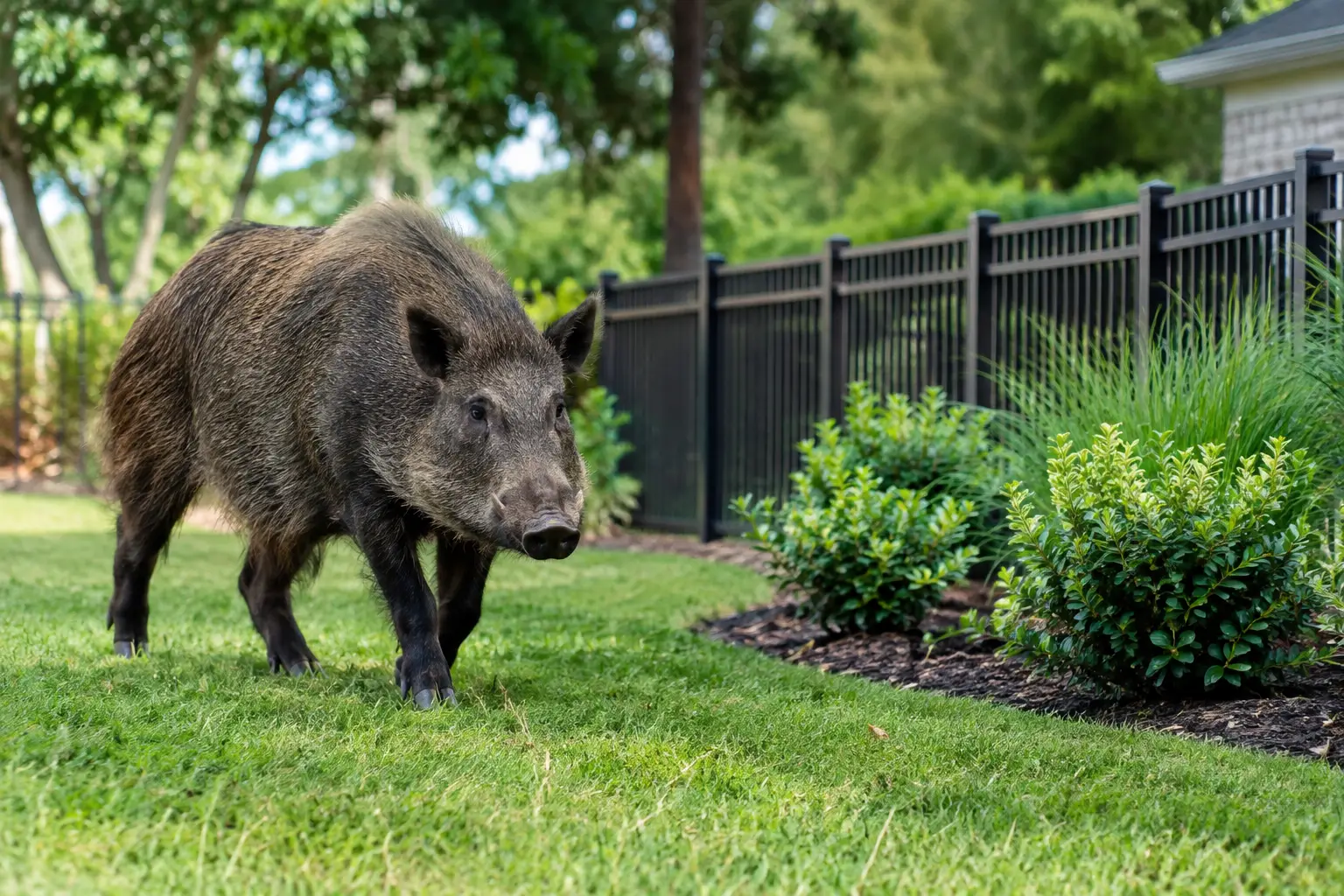
Granules are often the practical choice for ongoing protection because they stay where you apply them and can provide lasting coverage between treatments. They are well suited for deer around ornamentals, rabbits in garden beds, moles and voles in turf areas, or wild hogs entering from a property edge. Follow the label for application rates and reapplication timing, particularly after heavy rain, mowing, or irrigation.
Sprays for Plants and Specific Hot Spots
Sprays offer precision when an animal repeatedly targets a particular plant, entry point, or small area. Use them on approved surfaces only and apply thoroughly enough to create coverage without drenching foliage or runoff. A spray can be useful when deer return to the same shrubs or when rabbits focus on a newly planted row of vegetables.
The trade-off is that sprays usually require more frequent attention than granular barriers. Rain, watering, new plant growth, and repeated animal pressure can all reduce protection over time. For many yards, the strongest plan combines a long-lasting ground barrier with a targeted spray on the most vulnerable areas.
Protect Pets While You Protect Your Property
A few sensible habits help make repellents part of a pet-conscious yard routine. Apply products when pets can remain indoors or in another area until the application has settled as directed on the label. Store containers where pets cannot access them, and do not leave open bags, scoops, or spray bottles near the garage, patio, or shed.
Avoid placing any repellent directly on an animal, in pet bedding, near food and water bowls, or in places where a curious pet is likely to lick or consume the product. If your dog digs in one particular corner or your cat uses a bed as a favorite path, consider whether that location needs a different application strategy, a physical boundary, or a pet-free zone during treatment.
A humane repellent works best alongside good property habits. Secure garbage, clean up fallen fruit, protect birdseed, repair gaps beneath sheds, and reduce dense hiding cover where appropriate. Removing food and shelter opportunities makes the treated area less appealing without asking a repellent to do all the work alone.
Set Expectations for Better Results
Repellents change animal behavior. They do not repair existing plant damage, fill tunnels, or override every powerful food source on the first day. A hungry deer may test a newly treated bed. A determined rabbit may return if tender seedlings are the only green food available nearby. Consistent coverage is what turns a treatment into a dependable defense.
Begin before damage becomes severe whenever possible. Apply around the perimeter and protect the plants, turf, or structures that matter most. Check the area regularly during the first week, then reapply according to label instructions and weather conditions. If activity continues, look for untreated entry points or signs that you may be dealing with more than one animal.
Season also changes the pressure on your landscape. Spring brings tender new growth that attracts browsing animals. Summer can bring digging and feeding activity across lawns and gardens. In fall and winter, food scarcity may push wildlife closer to shrubs, mulch beds, and protected areas near the home. Adjust your protection plan as animal behavior shifts.
A Responsible Approach to Wildlife Control
Homeowners should not have to choose between a beautiful yard and humane treatment of animals. The goal of a quality repellent is not to harm wildlife or domestic animals. It is to make your lawn, garden, shrubs, and outdoor living areas less inviting, encouraging animals to move along before damage starts.
That approach is especially valuable when repeated digging, grazing, burrowing, or contamination makes outdoor spaces frustrating to use. Rather than relying on one-time scare tactics, use a purpose-built repellent as part of a steady property-protection routine. EPIC Repellents offers animal-specific SCRAM formulas designed to help homeowners deter nuisance animals while respecting nature when used as directed.
Your yard is a living space, not a buffet or a burrowing ground. With the right product, careful application, and a little consistency, you can give pets room to enjoy the outdoors while restoring peace to the garden beds, lawn, and landscape you call home.


Comments